Professional Tire Work: Get Back Driving Securely and Swiftly
Skilled tire restoration serve an essential function in protecting vehicle safety and operation. Experienced professionals undertake complete inspections to discover assorted tire difficulties. From punctures to balance complications, each issue warrants careful focus. Knowing when to seek professional support can prevent ensuing complications. As drivers encounter these hurdles, they may contemplate the most suitable service options and care standards. Investigating these areas can facilitate sound decisions and safer experiences down the road.
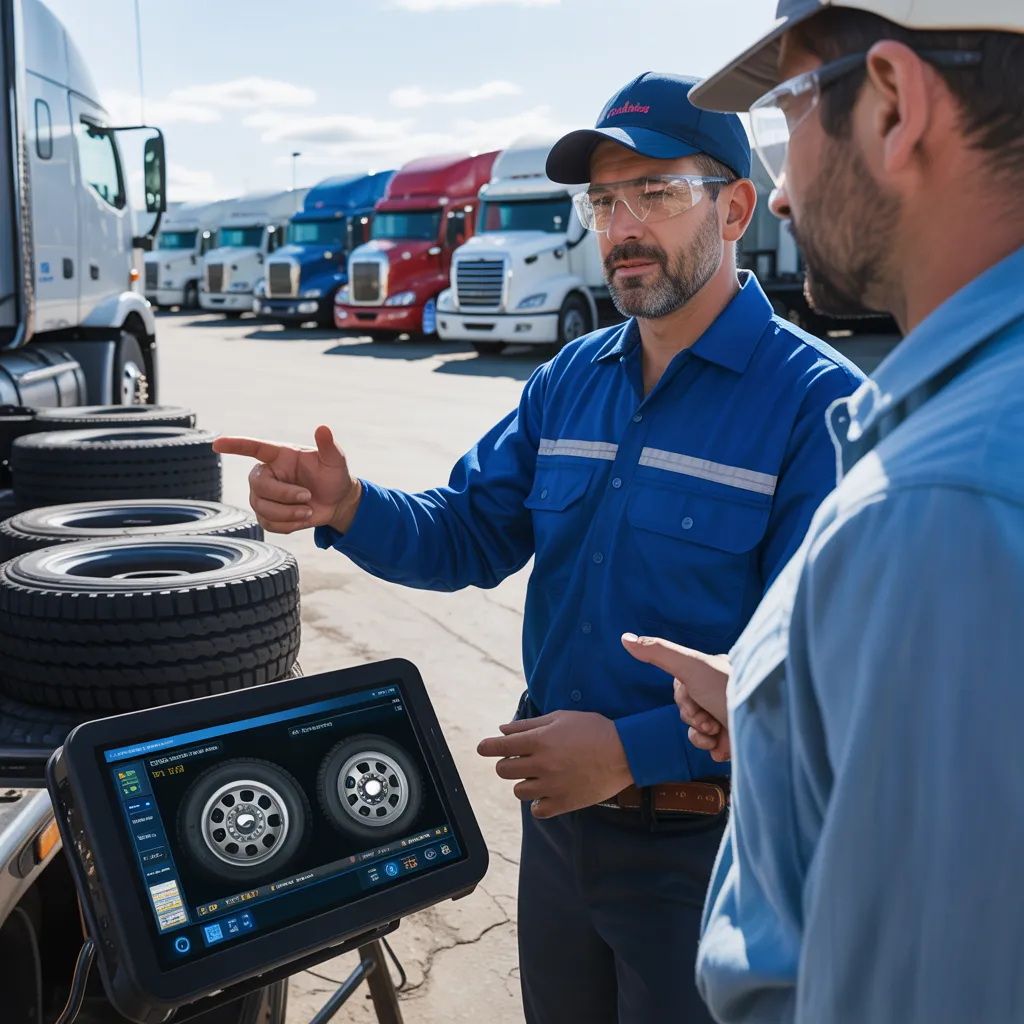
Common Tire Issues to Understand
When motorists fail to check their tires, they may experience several frequent concerns that can affect safety and performance. One prevalent issue is underinflation, which can lead to increased tire wear and lower fuel efficiency. Over time, this can cause the tires to overheat, raising the risk of a blowout. Another common problem is tread wear, which influences traction and handling, particularly in wet conditions. Uneven wear may indicate alignment or suspension issues, demanding further inspection. Additionally, tire shop near me drivers may experience punctures or sidewall damage from road hazards, leading to slow leaks or complete tire failure. Routine tire maintenance including rotations and inspections with correct inflation are essential for preventing these issues. Finally, climate effects can also add to tire degradation, making it vital for drivers to monitor their tire health. By recognizing these common problems, drivers can boost their safety on the road.
Knowing When Your Tires Call For Service: How to Recognize?
Spotting the signs that tire restoration are necessary is essential for maintaining vehicle well-being and performance. Drivers should be vigilant for definite clues that suggest tire issues. Unbalanced degradation arrangements on the surface, as an illustration, may indicate alignment difficulties or low air pressure. In addition, visible damage, such as slits, bulges, or punctures, typically requires immediate attention. An abrupt decrease of air pressure or regular requirement for inflation also reveals that restoration may be required.
Motorists should carefully watch handling and performance changes, such as vibrations or pulling to one side, which could point toward tire imbalances or internal damage. Lastly, regularly assessing how deep the tread is is imperative; tires with bald or worn areas reduce traction. By observing these signs, drivers can ensure timely repairs, improving both safety and vehicle lifespan. Quickly addressing these issues not only stops potential accidents but also cuts more costly repairs later.
Insights Into What Occurs During Tire Repair Work
The tire repair process usually involves several vital steps to ensure safety and quality. Initially, a technician examines the tire for visible damage and evaluates its overall condition. This examination assists in determining whether the tire can be repaired or requires replacement. After the inspection, the technician might take the tire from the wheel to find punctures or internal damage.
Once any issues are found, the technician cleans the affected section and readies it for repair. This may involve applying a patch or insert, based on the nature and position of the damage. After the fix is finished, the tyre is remounted and properly inflated to the manufacturer's specifications.
Finally, a quality check confirms that the service fulfills safety criteria. Throughout the process, experts prioritize communication, advising the customer of findings and proposals. This methodical approach promises a solid restoration, letting drivers to return to the road with confidence.
DIY Tire Correction Compared against Professional Intervention
Upon learning the tire restoration process, many drivers may think about whether to manage fixes by themselves or pursue professional support. DIY tire fixes can be attractive, particularly for those with basic mechanical skills and tools. Simple punctures can often be mended using repair kits found at auto retail stores, saving both time and expenses. However, this approach carries risks if appropriate procedures are not followed, conceivably resulting in additional deterioration or safety hazards.
However, expert tire repair providers present specialized knowledge and advanced tools. Qualified professionals can accurately evaluate tire issues, ensuring repairs prove effective and sound. They can also recognize hidden concerns that a DIY approach might neglect. Ultimately, the decision regarding professional assistance versus DIY repairs depends upon the driver's confidence, skill level, and how severe the tire damage is. Making a well-informed choice is vital for ensuring safety on the road.
How to Select the Best Tire Repair Service
How can drivers guarantee they select the top-rated tire repair service? First, they should research nearby options, focusing on customer reviews and scores. This information provides understanding into the service quality and dependability of various shops. Next, verifying for credentials and partnerships with recognized automotive organizations can demonstrate expertise and expertise.
Moreover, motorists should inquire the types of repairs offered, ensuring the service can handle their specific tire issues. Honest pricing is also necessary; trusted shops give explicit estimates without unexpected fees.
Additionally, reviewing the shop's warranty policies on services can offer assurance. Finally, practicality is important—location relative to home or work, as well as available hours, can impact the decision. By examining these factors, automobile owners can confidently opt for a tire repair service that fulfills their needs with success.
Rewards of Steady Tire Upkeep
Regular tire maintenance provides many advantages that extend the lifespan and output of tires. By routinely checking tire air pressure, tread depth, and general state, vehicle owners can guarantee ideal traction and handling. Correct air pressure decreases deterioration, enhancing fuel efficiency and saving money at the pump. In addition, regular inspections can help identify issues such as irregular deterioration or damage, allowing for timely repairs that avoid more significant problems down the road.
Maintaining tires also enhances safety by lowering the risk of blowouts or accidents caused by worn tread. Additionally, a properly kept set of tires adds to a smoother ride, boosting comfort for the driver and passengers. Spending time on regular tire maintenance allows individuals to gain the value of their investment, guaranteeing reliable performance and peace of mind while driving. Ultimately, regular tire maintenance is an essential aspect of responsible vehicle ownership.
Suggestions for Sidestepping Future Tire Problems
Being proactive in tire upkeep can significantly decrease the likelihood of future issues. Consistently checking tire pressure is vital; low pressure can lead to premature wear and reduced fuel efficiency. It is recommended to examine tires for visible harm, such as cuts or bulges, which may indicate structural problems. Turning tires every 5,000 to 8,000 miles helps guarantee even wear, extending their lifespan.
Additionally, keeping correct alignment and balance is important to prevent uneven tread wear. Drivers should also check tread depth, employing the penny test as a simple method; if Lincoln's head is visible, it's time for a new tire. Finally, preventing excessive loading of the vehicle can reduce excessive strain on tires. By implementing these strategies, vehicle owners can enhance tire longevity and support a safer driving experience.

Common Inquiries Raised
What duration is required for a common tire restoration?
A routine tire repair generally takes around 30 minutes to an hour depending on the level of damage and the precise repair required. Aspects like technician availability and shop workload can also impact the length of time.
Are All Tire Varieties Fixable?
Certain tire types are beyond repair. Most commonly, tread punctures in passenger tires might be fixable, though damage along the sidewall, severe wear, or tires featuring multiple previous repairs typically necessitate new tires to guarantee safety.
Understanding the Expense of Getting Your Tires Fixed?
The cost of tire maintenance usually falls from $10 to $30, depending on the wear and location. Factors such as tire type and service provider may affect the final cost, making it variable.
Is Tire Repair Covered in Insurance?
Tire damage coverage differs depending on which insurance policy you have. Certain plans include on-road help or repair expenses, but some do not cover these services. It's essential for people to examine their individual policy details to determine their protection for tire repairs.
How Might I Increase the Lifespan of My Tire?
To extend a tire's service life, routine care is vital. This encompasses keeping tire pressure at correct levels, performing regular tire rotations, checking wheel alignment, avoiding overloading, and monitoring tread depth for indicators of deterioration or harm.